
The Conflict Between Individual and Circumstance
Of Human BondagePhilip repeatedly tests the belief that will and reason can command life against poverty, chance, illness, and social constraint.
increasing Bearing strength in each event
 decreasing
Bearing strength in each eventdecreasingA Child Without Control
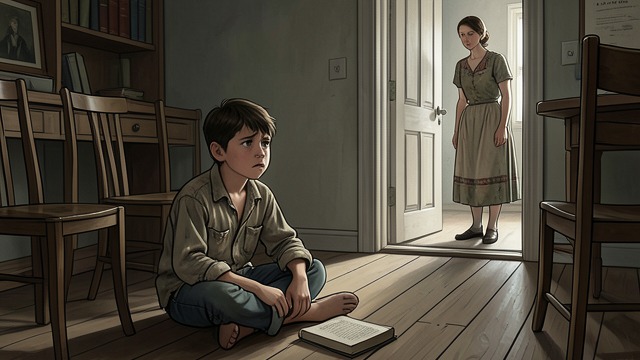
A Child Without Control
Philip's childhood is shaped by deaths and decisions he did not make. His relatives, schools, and limited resources determine where he lives and what education he receives.
The origins of self-scrutiny
Because he cannot direct events, Philip turns inward to understand them. Later philosophical ideas grow from this early sense that life happens to a person before he can choose it.
The Rule of Inclination
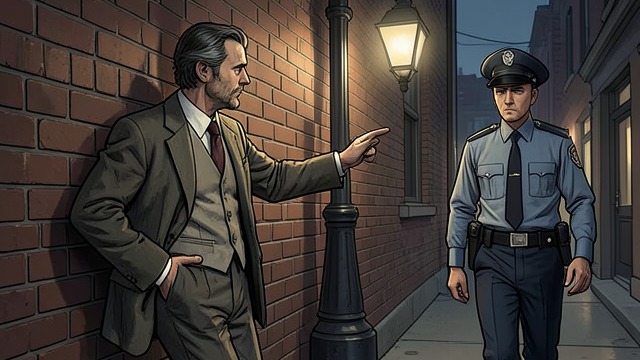
The Rule of Inclination
Philip tries to make inclination his guide, subject to the policeman around the corner. The rule promises practical freedom without religious guilt or abstract morality.
A theory awaiting trial
It assumes that he can choose what he wants and bear the consequences. His experiences of love and money will expose how often desire feels like compulsion instead of deliberate choice.
A Market Beyond Control
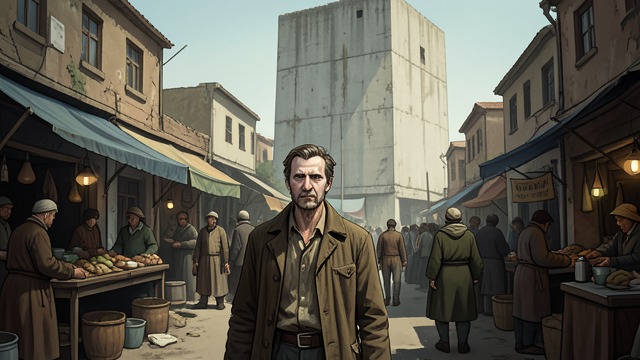
A Market Beyond Control
Philip invests on the belief that careful timing and trusted advice can improve his finances. War news and market shifts instead produce losses he cannot control.
Chance defeats calculation
His ruin makes abstract ideas about will and inevitability immediate. Neither intelligence nor good intentions protect him from circumstances that alter his entire future.
The Homeless Days
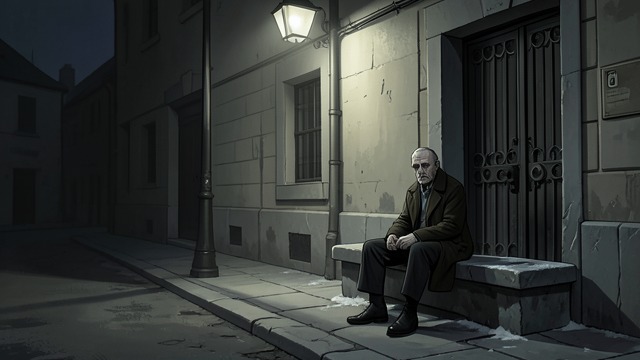
The Homeless Days
Philip cannot pay for a room and spends nights outdoors while looking for work. Pride delays asking his friends for help, and hunger increasingly narrows his thoughts.
The body sets terms
His ideal of self-reliance falters under cold, exhaustion, and lack of food. Survival depends less on abstract will than on assistance he finds difficult to accept.
A Pattern Beyond Control
A Pattern Beyond Control
Philip comes to see his life as shaped by temperament and circumstance as well as by conscious decisions. Rather than claim control over every outcome, he searches for a way to find form in experience.
Acceptance without passivity
The pattern does not erase responsibility or pain. It helps him endure what he cannot change and choose a future that reflects his actual desires.
after Philip becomes an orphan
after Philip begins independent study in London
during the later stages of the Second Boer War
after Philip's money is exhausted
after Philip learns how little he can govern
